
Asphalt Paving in Burbank, Chicago, Illinois & surrounding areas
Asphalt Surfaces Prepared From the Ground Up
An asphalt surface is only as durable as what is underneath it. That is a fact many asphalt contractors prefer their customers not to know. At least not until a year or two after the crew has left. Base preparation is the most time-consuming part of any paving project. It is also the least visible. That makes it the step most commonly cut short by operations competing on price rather than longevity. Quality Roofing & Exteriors has been paving driveways and commercial lots across the Burbank area long enough to know exactly what happens to a surface laid over an inadequate base. The first Illinois winter makes it clear. Our paving process is built specifically to prevent that outcome.
Burbank creates specific demands on asphalt pavement. Frost heave is a real and recurring problem here. So is subgrade saturation. The repeated thermal cycling between deep winter cold and summer heat stresses asphalt from beneath and from the surface simultaneously. Warmer and more stable climate regions simply do not face the same conditions. We serve property owners and commercial clients throughout Burbank, Chicago, Illinois & surrounding areas. Our asphalt paving work extends across Chicago, Illinois and surrounding Cook County communities. The same soil and climate conditions govern every project we take on across that region.
Quality Roofing & Exteriors
is licensed, bonded, and insured for residential and commercial asphalt paving. With 45
years of exterior construction experience in this region, our team understands subgrade preparation, drainage integration, and mix selection that Illinois conditions require. We manage every stage with the same crew throughout. Visit our contact page when you are ready to discuss your project.
How We Approach Every Asphalt Paving Job
Residential Driveway Paving
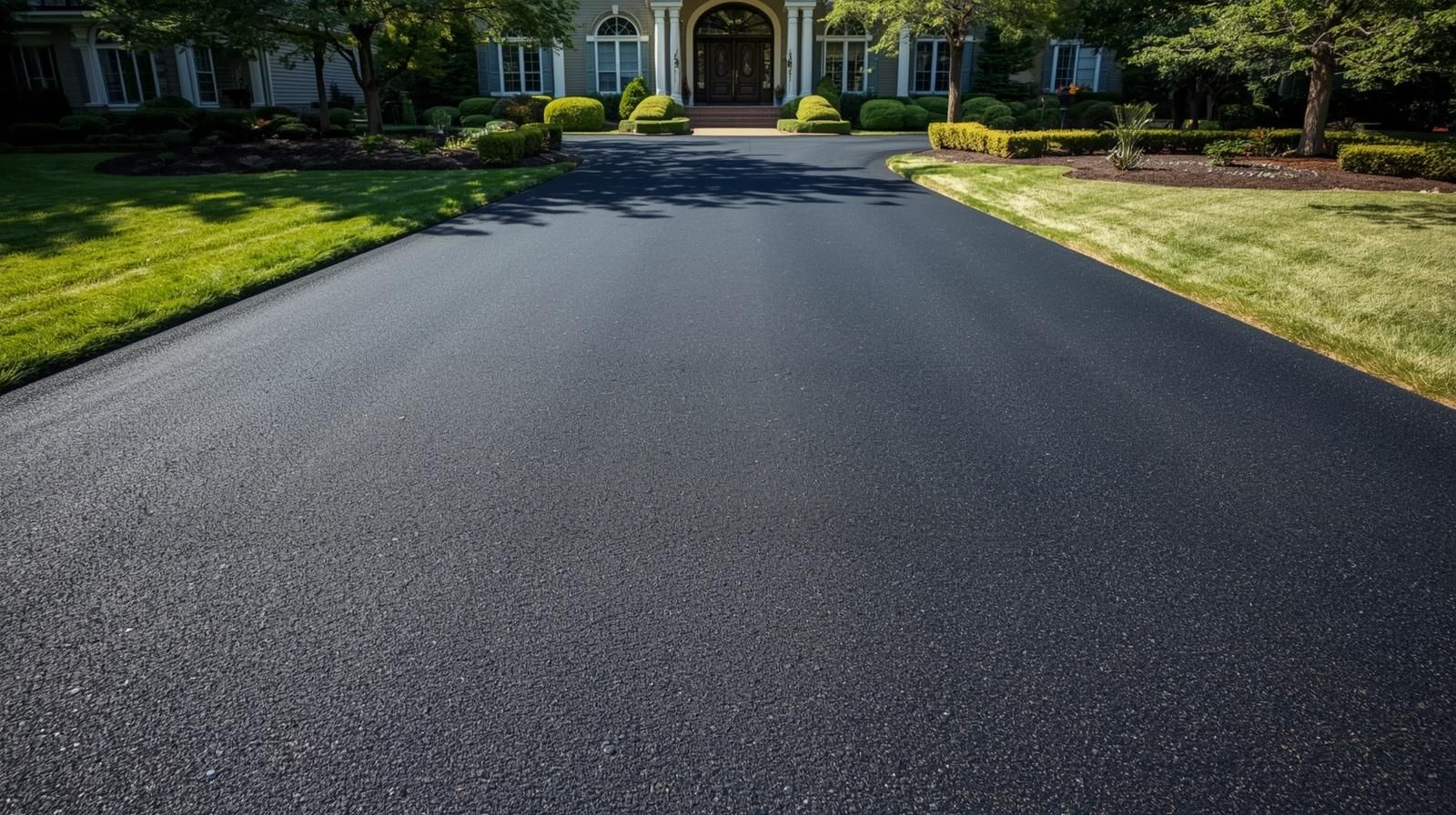
A residential driveway over properly prepared aggregate base and compacted to correct density performs for decades in Illinois's freeze-thaw climate. We grade the subgrade, compact the base to required depth, apply hot mix asphalt at the correct temperature, and compact the surface to resist rutting.
Commercial Parking Lot Installation
Commercial lots face heavier load cycles and more concentrated traffic than residential surfaces. We design paving sections based on anticipated traffic loading, integrate proper drainage slope, and install asphalt that handles repeated vehicle loads without premature surface failure or structural deterioration beneath the pavement.
Asphalt Driveway Replacement and Tear-Out
When existing asphalt has deteriorated beyond what resurfacing can address, full tear-out is the correct path. We remove the old surface, assess and correct the subgrade conditions that caused the original failure, rebuild the base to current standards, and install the new surface over a properly prepared foundation.
Asphalt Resurfacing and Overlay
Resurfacing applies a new asphalt layer over structurally sound pavement that has lost surface integrity without base failure. We mill or scarify where needed to ensure bond, address drainage corrections before overlay, and apply the new layer to a consistent depth that restores the surface effectively.
Driveway Apron and Street Transition Paving
The apron where your driveway meets the street is one of the highest-stress areas of the pavement. We install aprons with proper thickness and base preparation for those load conditions and integrate the edge correctly with the street pavement at the curb line.
Asphalt Crack Repair and Surface Preparation
Cracks allow water to reach the base, accelerating freeze-thaw deterioration in the subgrade. We clean and prepare cracks correctly before filling, using materials that flex with the pavement rather than becoming rigid and reopening with the first thermal cycle the surface experiences after repair.
Why Properly Installed Asphalt Paving Pays Off
Freeze-Thaw Resistant Performance
Asphalt over a properly compacted aggregate base with adequate depth resists the frost heave and subgrade movement that crack and displace surfaces laid over inadequate base material. You gain pavement that handles Illinois winters without the cracking and pothole formation that poor base preparation consistently produces.
Correct Surface Drainage
A properly graded asphalt surface sheds water toward designated drainage points rather than allowing pooling that softens the surface under traffic load. Drainage slope is established during base grading. It cannot be corrected after the asphalt is laid without removing and restarting the installation entirely.
Long Service Life With Minimal Intervention
Correctly installed asphalt over a sound base, maintained with timely sealing and crack repair, delivers 20 to 25 years of service life. That maintenance investment is minimal compared to repeated repairs on a surface laid without adequate base preparation from the beginning of the project.
Improved Property Appearance and Function
A smooth, properly edged, and correctly graded driveway or parking area improves property presentation immediately. It also eliminates the trip hazards, vehicle damage risks, and drainage problems that a deteriorated surface consistently creates for everyone using the property on a regular basis.
Structural Load Support
Asphalt compacted to specification supports vehicle loads without rutting under tire contact pressure. This matters most in commercial applications where delivery vehicles, dumpster trucks, and loading equipment create point loads that an undersized asphalt section cannot carry without permanent surface deformation over time.
Dust and Mud Control
A paved surface eliminates tracked mud, loose stone migration, and dust generation that unpaved surfaces create on residential and commercial properties. A sealed asphalt surface also reduces ongoing maintenance of adjacent landscaping and hardscape from the stone and gravel displacement that unpaved surfaces produce continuously.
Smooth Surfaces Start Below the Pavement
The surface you see after a paving project is the least important part of the installation. What determines whether that surface holds up through a decade of Illinois winters is what happened underneath it before the asphalt was ever laid. Quality Roofing & Exteriors has been completing asphalt paving work across Burbank, Chicago, Illinois & surrounding areas with the base preparation, compaction standards, and drainage integration that this climate specifically demands. If you are planning a new driveway, parking area, or replacement of an existing surface that is no longer performing, visit our contact page and we will walk you through what the project actually requires.
FAQs - Frequently Asked Questions
How thick should asphalt be for a residential driveway in Illinois?
A standard Illinois residential driveway requires six to eight inches of compacted aggregate base topped by two to three inches of compacted hot mix asphalt. Heavier vehicles or softer subgrade conditions may warrant additional base depth. We assess subgrade conditions before specifying section depth on every project.
How long should I wait before using a new asphalt driveway?
New asphalt should remain free of vehicle traffic for at least 24 to 48 hours after installation. Full curing takes longer, and point loads from jacks, kickstands, and high heels should be avoided for several weeks. We provide timing guidance specific to your project's temperature conditions.
Can asphalt be installed in cold weather?
Hot mix asphalt requires minimum ambient and surface temperatures to compact correctly and achieve durable density. Cold weather paving is possible in mild conditions but demands careful attention to mix temperature and compaction timing. We evaluate conditions before scheduling rather than proceeding in temperatures that compromise the installation.
How often does an asphalt driveway need to be sealed?
Seal coating every three to five years protects the asphalt binder from UV oxidation and water infiltration. Sealing too frequently builds excessive coating layers that become slippery when wet. The right interval depends on traffic, sun exposure, and the existing surface condition rather than a fixed schedule.
What causes potholes in asphalt driveways?
Potholes form when water enters through surface cracks, reaches the subgrade, and freeze-thaw cycling destabilizes the supporting material. Vehicle loads then break out the unsupported asphalt from above. Timely crack filling prevents water from reaching the base and is the most effective pothole prevention measure available.
Is asphalt or concrete better for an Illinois driveway?
Asphalt handles freeze-thaw cycling more flexibly than concrete, which is a meaningful advantage in Illinois. Concrete is more rigid and more prone to cracking from subgrade movement. Both materials perform well when installed correctly, but asphalt's flexibility makes it a practical and widely chosen option for Illinois driveways.
What is the difference between asphalt repair and full replacement?
Repair is appropriate when surface damage is isolated and the base remains structurally intact. Full replacement is warranted when base failure has occurred, alligator cracking covers significant area, or the pavement has reached an age where repairs address symptoms of overall structural decline rather than isolated damage.
Does Quality Roofing & Exteriors handle commercial paving projects in Burbank, Chicago, IL & surrounding areas?
Yes. Quality Roofing & Exteriors completes commercial parking lot installation and replacement throughout Burbank, Chicago, IL & surrounding areas for property managers and business owners. Commercial projects receive the same preparation and installation standards as residential work, with section depths and drainage designs scaled to the specific commercial application's demands.