
Emergency Roofing Services in Burbank, Chicago, Illinois & surrounding areas
Fast Roofing Help When Damage Cannot Wait
The moment a roof fails during a storm, the clock starts running. Water moves fast through a compromised roof system, and every hour between the breach and a proper response adds damage to ceilings, insulation, framing, and interior finishes that were never part of the original problem. Quality Roofing & Exteriors operates 24 hours a day, 7 days a week specifically because roof emergencies do not follow a business schedule, and the difference between a contained situation and a catastrophic interior loss often comes down to how quickly a trained crew arrives with the right materials and a clear plan.
Burbank sits in a storm corridor that delivers hail events, high-wind episodes, and heavy ice accumulation across a long winter season. Our team has been responding across Burbank, Chicago, Illinois & surrounding areas for decades, with emergency calls also coming from Chicago, Illinois and surrounding Cook County communities when severe weather moves through the region. Knowing which damage presentations are common after specific storm types, and knowing how to stabilize them quickly without causing additional damage during the response, comes from years of doing exactly this work in exactly this climate.
Quality Roofing & Exteriors
carries full licensing, bonding, and insurance coverage for emergency roofing work, which matters because a crew cutting corners under pressure on a compromised roof creates liability that falls on the property owner. We arrive with materials staged for the most common emergency scenarios, assess the full extent of damage before touching anything, and implement temporary stabilization measures that genuinely hold until permanent repairs can be completed. To reach our emergency response team, visit our contact page where you will find our around-the-clock availability clearly listed.
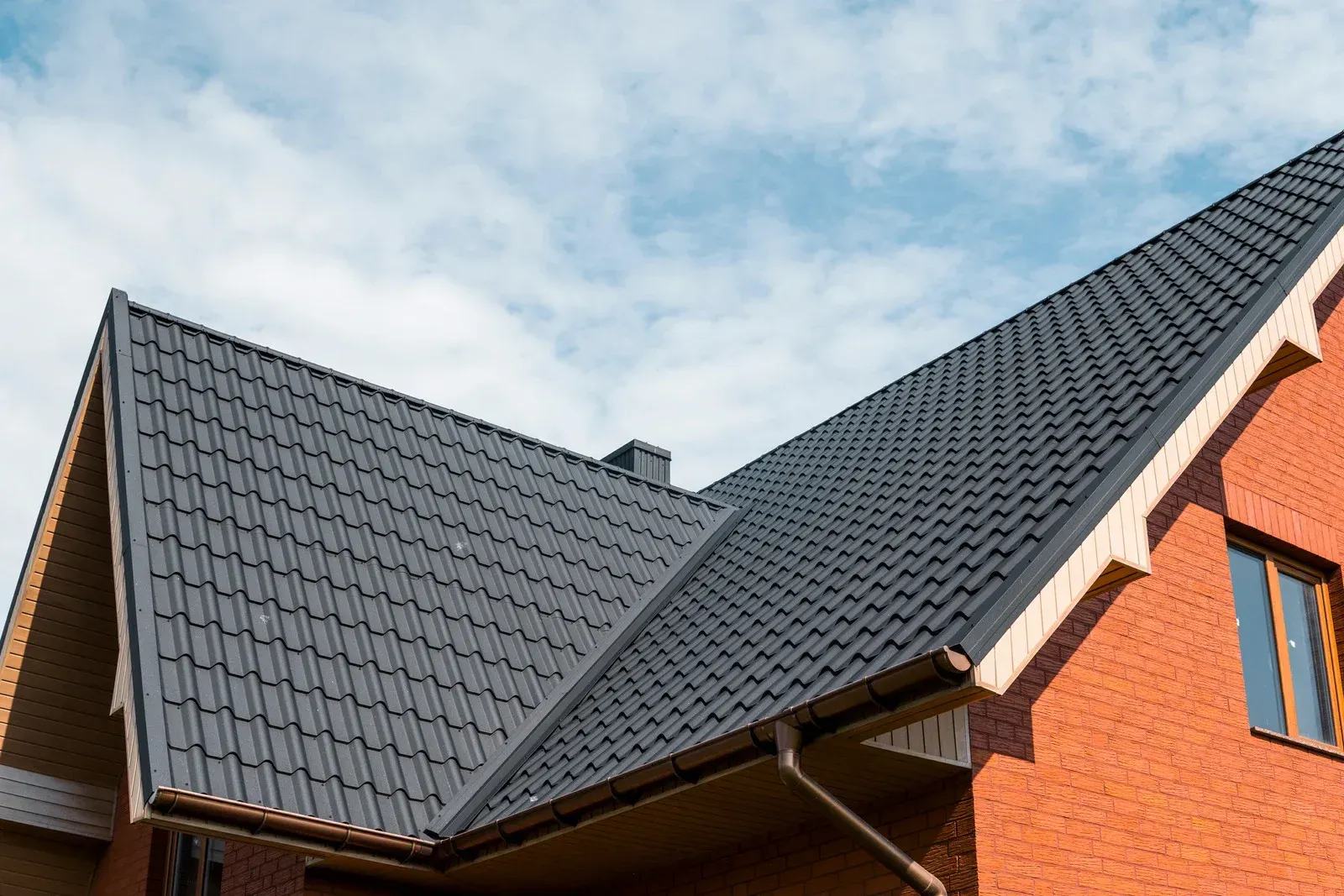
Emergency Roofing Situations We Respond To in Burbank, Chicago, Illinois & surrounding areas
Storm and Wind Damage Response
High winds strip shingles, lift flashing, and separate membrane seams in ways that leave the roof deck exposed to whatever weather follows the initial event. We arrive promptly, assess the full damage footprint, and implement stabilization measures that protect the interior while permanent repairs are being planned and scheduled.
Active Leak Containment
An active leak entering a building needs to be redirected and slowed while the roof breach is located and addressed. We deploy interior containment measures alongside exterior temporary repairs, working both sides of the problem simultaneously to limit the spread of water damage into walls, ceilings, and floor assemblies.
Hail Damage Assessment and Temporary Repair
Hail damage is frequently more extensive than it appears from the ground. We conduct granule loss mapping, identify bruised and cracked shingles, document the full damage area with photographs, and install temporary protective covering over the most compromised sections while the permanent repair or replacement scope is confirmed.
Ice Dam Removal and Damage Control
Ice dams form when heat escaping through the roof deck melts snow that then refreezes at the cold eave. The resulting water backup forces under shingles and into the structure. We safely remove ice accumulation, address the immediate interior leak risk, and assess the underlying ventilation conditions contributing to the dam formation.
Fallen Tree and Debris Impact Response
Impact damage from fallen trees or large debris can compromise roof decking, rafters, and interior structural members simultaneously. We assess the full structural extent of the damage, implement temporary weatherproofing over the affected area, and coordinate with appropriate trades when the impact has reached below the roof assembly itself.
Temporary Roof Tarping and Weatherproofing
When permanent repairs cannot begin immediately, proper temporary weatherproofing is not optional. We install heavy-duty tarping systems anchored and sealed correctly to withstand continued weather exposure, not draped loosely over the damage in a way that moves with the first wind and leaves the breach unprotected overnight.
What You Gain From Our Emergency Roofing Response
Around-the-Clock Availability
Roof emergencies arrive without warning and rarely at a convenient time. Knowing a qualified crew is reachable at any hour removes one major source of stress from an already difficult situation and means the response begins when the damage occurs rather than when business hours resume.
Honest Damage Assessment Under Pressure
Emergency situations create pressure to act fast, which is exactly when inflated damage assessments and unnecessary upselling happen most often. You receive an accurate picture of what is actually damaged, what genuinely requires immediate attention, and what can wait for scheduled repair without additional risk to your property.
Proper Temporary Stabilization
A temporary repair that fails overnight is worse than no repair at all because it creates a false sense of security. Our temporary weatherproofing is installed to hold through continued weather exposure until permanent work begins, using materials and attachment methods designed for the conditions rather than the minimum viable option.
Insurance Documentation Support
Emergency roof damage claims require clear photographic and written documentation captured before temporary repairs alter the damage presentation. We document conditions thoroughly from the moment we arrive, providing the evidence record that supports your insurance claim and prevents disputes over pre-existing versus storm-caused damage.
Reduced Interior Damage Spread
Every hour a roof breach goes unaddressed, water is traveling further into the building assembly. Fast response directly limits how far moisture penetrates into insulation, framing, drywall, and flooring systems, reducing the total scope of interior remediation work that follows a roofing emergency significantly.
Trained Crews, Not Emergency Subcontractors
Some contractors respond to emergency volume by dispatching whoever is available rather than whoever is qualified. Our emergency response crews are our own trained team members, held to the same installation and safety standards we apply on every scheduled project regardless of the hour or the conditions.
Rapid Response When Every Minute Matters
Roof damage does not announce itself at a convenient time, and the property owners who come through it with the least additional damage are the ones who had a qualified crew on site fast with a clear plan. Quality Roofing & Exteriors is available around the clock to respond to roofing emergencies across Burbank, Chicago, Illinois & surrounding areas with trained crews, proper materials, and honest assessments that prioritize your property's protection over upselling unnecessary work. When your roof cannot wait, visit our contact page and our team will begin coordinating your response immediately.
FAQs - Frequently Asked Questions
What should I do immediately after storm damage to my roof?
Move valuable items away from areas showing signs of water entry and document interior damage with photographs before anything is moved or cleaned. Avoid accessing the roof yourself under any conditions. Contact a qualified roofing contractor for a prompt assessment and do not wait for the weather to fully clear before making the call.
How quickly can you respond to a roofing emergency in Burbank, Chicago, IL & surrounding areas?
We maintain around-the-clock availability and dispatch crews as quickly as conditions allow. Response times vary based on storm volume and driving conditions, but we prioritize active leak situations and structural breaches above all other service calls. Reaching us through our contact page initiates the response process immediately.
Will temporary tarping protect my roof until permanent repairs are done?
Properly installed tarping provides meaningful protection against continued water entry when it is anchored correctly and covers the full breach area with adequate overlap. Loosely placed tarps that shift in wind do not. Our temporary weatherproofing installations are designed to hold through additional weather events, not just calm overnight conditions.
Does Quality Roofing & Exteriors handle insurance claims for storm damage in Burbank, Chicago, IL & surrounding areas?
We provide thorough written and photographic damage documentation that directly supports your insurance claim process. Quality Roofing & Exteriors has worked alongside insurance adjusters across Burbank, Chicago, IL & surrounding areas on storm response projects for decades and understands what documentation adjusters require to process claims accurately and without unnecessary delays.
How do I know if my roof has hail damage if I cannot see it from the ground?
Hail damage on asphalt shingles presents as circular bruising, accelerated granule loss in concentrated impact patterns, and cracked or split shingle faces. These are rarely visible from ground level without the right angle of light. A professional assessment from the roof surface is the only reliable way to confirm hail damage extent.
What is an ice dam and how does it damage a roof?
An ice dam is a ridge of ice that forms at the roof eave when heat from the building melts snow on the upper roof and the meltwater refreezes at the colder overhang. The backed-up water forces beneath shingles and into the roof assembly, causing interior leaks that often appear far from the actual breach point.
Can emergency repairs be done in cold or wet weather?
Many temporary stabilization measures can be installed in adverse conditions because the goal is containment rather than a permanent sealed installation. Some permanent repair materials require minimum temperature conditions to bond and cure correctly. We assess conditions on arrival and implement the most effective response available given the weather at the time.
Is it safe to stay in my home if my roof has been damaged?
That depends entirely on the extent of structural involvement. If damage is limited to the membrane or shingles with no compromise to the roof deck or framing, staying in the home is generally safe with proper containment of water entry points. If structural members are visibly affected, a professional assessment of occupancy safety should happen before that decision is made.