
Concrete Services in Burbank, Chicago, Illinois & surrounding areas
Concrete Work Poured for Strength and Staying Power
Concrete is one of those materials where doing it correctly costs no more than doing it wrong. The consequences of the wrong approach, however, take years to fully appear. By the time a concrete driveway or patio shows widespread cracking, scaling, or joint failure, the decisions that caused it were already made. Quality Roofing & Exteriors has been placing concrete across the Burbank area through enough Illinois winters to know exactly which variables determine whether a slab holds together for thirty years or starts deteriorating within five. Our process is built around controlling every one of them.
Concrete in Burbank faces a demanding durability environment. Specific mix design, placement practices, and curing protocols are not optional here. The freeze-thaw cycling that runs through every Illinois winter is the primary enemy of concrete placed at the wrong water-to-cement ratio. Curing too quickly causes problems. So does finishing the surface before bleed water has fully escaped. We serve residential and commercial property owners across Burbank, Chicago, Illinois & surrounding areas as our primary concrete market. Our project work extends throughout Chicago, Illinois and the Cook County area.
Quality Roofing & Exteriors
carries full licensing, bonding, and insurance coverage across all concrete services we provide. With 45
years of exterior construction experience in this region, our team brings the mix knowledge and curing discipline Illinois conditions demand. We work with our own crews on every project. Grade work, form setting, pour, finishing, and curing are all managed to consistent standards throughout. Visit our contact page when you are ready to discuss your project.
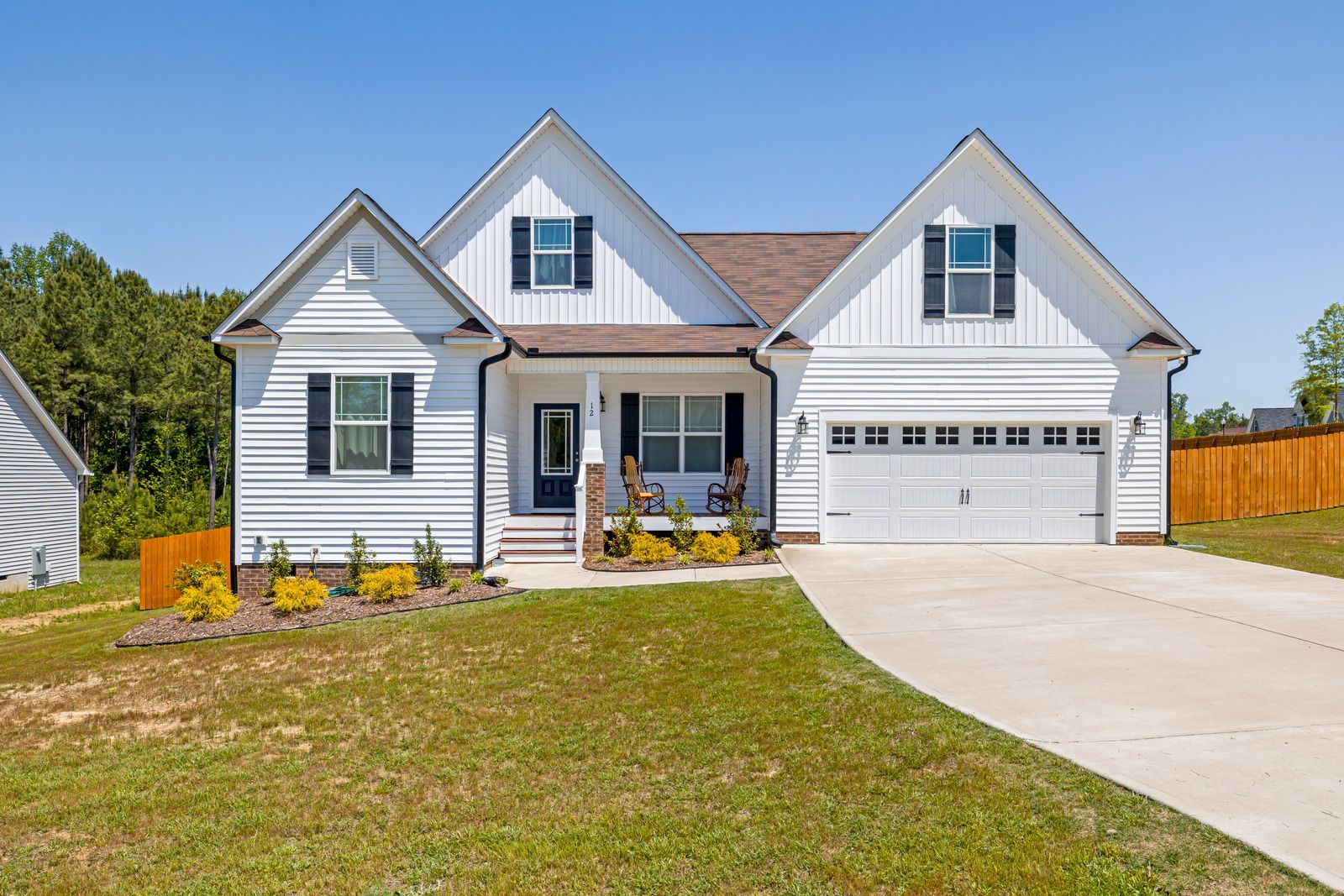
What Our Concrete Team Pours and Finishes
Concrete Driveway Installation
A concrete driveway on a properly compacted subgrade with correct mix design, control joint placement, and adequate curing handles Illinois freeze-thaw conditions reliably. We manage every variable from subgrade preparation through the curing period rather than treating the pour itself as the only step that matters.
Concrete Sidewalk and Walkway Installation
Sidewalks require precise elevation control, correct cross-slope for drainage, and control joint spacing that limits panel cracking from thermal and shrinkage movement. We set forms to correct grades, place concrete at the right consistency, and tool control joints at the spacing that actually directs stress relief.
Concrete Patio and Outdoor Slab Installation
Outdoor slabs require drainage slope away from the structure, correct joint placement, and finishing that creates traction without sealing bleed water into the surface. We design slab geometry around your actual drainage conditions rather than fitting a standard configuration that pools water near the foundation.
Concrete Steps and Entry Construction
Concrete steps in Illinois require footing depth below the frost line, correct reinforcing placement, and tread pitch that drains water off horizontal surfaces. We build entry steps on properly sized footings so seasonal ground movement does not create separation, displacement, or tripping hazards over time.
Concrete Driveway Repair and Resurfacing
Isolated surface scaling, panel cracking, and joint deterioration can often be addressed without full replacement when the slab's structural integrity remains sound. We assess the slab, subgrade, and underlying cause honestly before recommending repair or replacement rather than defaulting to the larger scope on every project.
Decorative and Stamped Concrete
Stamped and textured concrete delivers the visual character of stone or brick without the complexity of unit masonry. We place decorative concrete to the same structural standards as plain flatwork, ensuring surface pattern and color treatment never compromise the base slab properties that govern long-term performance.
What Correctly Placed Concrete Delivers for Your Property
Freeze-Thaw Durability
Concrete placed at the correct water-to-cement ratio, properly air-entrained, and fully cured before deicing chemical exposure handles Illinois winters without surface scaling or joint deterioration. Improperly placed concrete begins showing those failures within the first few seasons of freeze-thaw exposure regardless of how it looked initially.
Crack-Controlled Slab Performance
Concrete cracks. The goal is controlling where. Properly spaced and tooled control joints direct shrinkage and thermal movement to planned locations that are easy to seal and maintain rather than allowing random cracking that compromises the slab's appearance and water management across its entire service life.
Low Maintenance Over a Long Service Life
Correctly installed concrete requires minimal intervention across 30 or more years of service life. Periodic joint sealing and surface sealer application are the primary maintenance items. Concrete placed at the wrong mix or finished incorrectly begins requiring attention within a few years and escalates from there.
Stable, Level Surface Year After Year
A concrete slab on a properly compacted subgrade with adequate thickness maintains its grade and evenness through freeze-thaw cycling and normal loads. You gain a stable surface free of the settling, displacement, and trip hazards that slabs on inadequately prepared subgrade consistently develop over time.
Versatile Finish Options
Concrete can be finished in broom, exposed aggregate, stamped, or smooth trowel profiles depending on your application and aesthetic goals. Each finish has specific placement and timing requirements we manage correctly rather than applying a single approach to every slab regardless of its intended use or exposure.
Strong Return on Property Investment
New concrete driveways, patios, and entry features improve property appearance and value in ways deteriorated surfaces directly undermine. A well-placed slab in good condition signals maintenance and care to buyers and appraisers in a way that cracked and scaling concrete communicates exactly the opposite message.
Durable Concrete Starts With the Right Process
The concrete surface you drive on or walk across every day should be the last thing on your mind, and that is exactly what happens when it was placed correctly from the subgrade up. Quality Roofing & Exteriors has been completing concrete work across Burbank, Chicago, Illinois & surrounding areas with the mix discipline, joint placement, and curing standards that separate slabs that last from slabs that begin failing within a few winters. Whether you need a new driveway, a patio, steps, or commercial flatwork, visit our contact page and our team will give you an honest picture of what your project requires.
FAQs - Frequently Asked Questions
How thick should a concrete driveway be in Illinois?
A standard residential driveway should be a minimum of four inches thick on compacted aggregate base, with five to six inches for heavier vehicle loads. Base depth depends on subgrade conditions. We assess the subgrade before specifying thickness rather than applying one uniform section to every project.
How long does concrete need to cure before vehicles can drive on it?
Concrete reaches sufficient strength for light vehicle traffic within approximately seven days under normal conditions, with full design strength developing over 28 days. Cold weather slows curing significantly. We provide project-specific guidance based on actual temperature conditions during and after the pour rather than a generic timeline.
What causes concrete driveways to crack in Illinois?
Common causes include subgrade settlement from poorly compacted soil, shrinkage from excess water in the mix, thermal movement in slabs with insufficient control joints, and freeze-thaw damage on concrete placed without air entrainment. Addressing these variables during the pour prevents the cracking that appears years later.
Can cracked concrete be repaired or does it always need to be replaced?
Isolated cracks in structurally sound slabs can be cleaned and filled with appropriate sealants or repair mortars. Widespread cracking from base failure, extensive surface scaling, or slabs with significant cross-section loss are better candidates for full replacement than continued repair investment that addresses symptoms rather than causes.
What is air-entrained concrete and why does it matter in Illinois?
Air entrainment introduces microscopic bubbles that give freezing water room to expand without generating the internal pressure that causes surface scaling. It is standard practice for outdoor flatwork in Illinois's freeze-thaw climate. Non-air-entrained mixes begin scaling within a few freeze-thaw cycles of deicing chemical exposure.
Should I seal my concrete driveway?
Sealing protects against deicing chemical penetration and UV degradation, making it especially beneficial for Illinois driveways where winter salt is common. New concrete should cure at least 30 days before sealer is applied. Reapplication every two to three years maintains the protective benefit across the slab's service life.
How long does a concrete driveway last compared to asphalt?
A properly installed concrete driveway in Illinois should deliver 30 to 40 years of service life. Asphalt typically provides 20 to 25 years before resurfacing is needed. Concrete carries a higher initial investment but longer service life and lower maintenance frequency when both materials are installed correctly.
Does Quality Roofing & Exteriors handle commercial concrete work in Burbank, Chicago, IL & surrounding areas?
Yes. Quality Roofing & Exteriors places concrete for commercial applications throughout Burbank, Chicago, IL & surrounding areas including warehouse slabs, loading dock aprons, and exterior flatwork of all types. Commercial projects receive the same mix design standards, subgrade preparation, and curing discipline we apply to residential work, scaled to the specific application.