
Siding Installation and Replacement in Burbank, Chicago, Illinois & surrounding areas
Exterior Siding That Shields, Insulates, and Elevates
Siding that looks fine from the street is not always siding that is doing its job. Faded color and minor surface wear are visible. Compromised flashing at window and door transitions is not. Failed caulk joints at corners are not. Moisture working behind panels for multiple seasons is not. Quality Roofing & Exteriors has been installing and replacing siding across the Burbank area long enough to know the difference between siding that lasts and siding that fails. It comes down entirely to how the installation was executed. Not how the finished surface looked on the day the crew left.
Burbank homes face a demanding exterior environment. Wind-driven rain arrives during spring storm systems. Prolonged moisture exposure runs through the shoulder seasons. Thermal cycling moves from deep winter cold to humid summer heat. All of it stresses exterior cladding in ways that siding installed without proper flashing, sealing, and fastening simply cannot withstand long-term. We serve homeowners and commercial property owners across Burbank, Chicago, Illinois & surrounding areas as our primary siding market. Our project work extends throughout Chicago, Illinois and the surrounding Cook County area.
Quality Roofing & Exteriors
is licensed, bonded, and insured for siding installation and replacement across all material types we offer. With 45
years of exterior work in this region, we have seen what shortcuts in siding installation cost property owners over time. Our crews handle the moisture barrier, the flashing details, the fastening schedules, and the trim integration with the same attention we bring to roofing. The exterior cladding system and the roof are parts of the same water management assembly. Visit our contact page when you are ready to discuss your siding project.
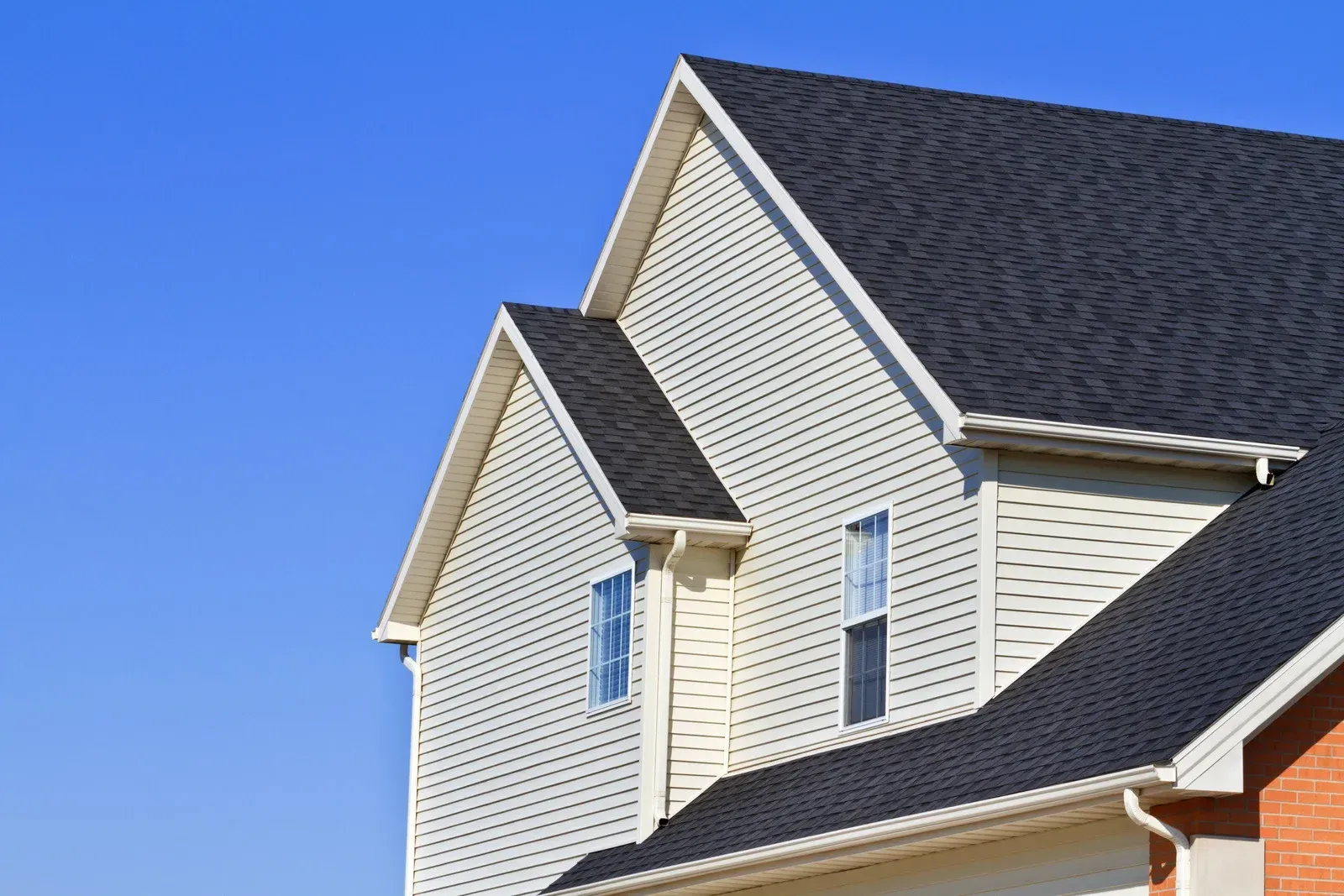
Siding Installation Options We Offer
Vinyl Siding Installation
Vinyl siding delivers reliable weather resistance when installed with proper overlap, correct nailing patterns, and fully integrated flashing at all penetrations. We install vinyl systems that allow thermal expansion movement without buckling, the detail that separates lasting installations from ones that show problems within a few seasons.
Fiber Cement Siding Installation
Fiber cement handles Illinois moisture and temperature range better than most cladding at its price point. We cut, fasten, and seal panels to manufacturer requirements, with particular attention to end-cut sealing and joint caulking that prevents moisture entry at the points most prone to failing over time.
Engineered Wood Siding Installation
Engineered wood delivers the visual warmth of natural wood without the maintenance demands of solid wood cladding. Correct installation requires clearance above grade, flashing at horizontal transitions, and sealant at all cut ends and butt joints. We follow the requirements that keep engineered wood performing correctly in wet climates.
Siding Replacement and Full Tear-Off
Replacing existing siding creates an opportunity to inspect the moisture barrier and wall sheathing for damage accumulating unseen. We assess what we find during tear-off honestly, address any sheathing or barrier issues, and install the new system over a properly prepared substrate rather than a compromised one.
Soffit and Fascia Installation
Soffit and fascia require the same installation care as the field siding. We install vented soffit systems that support attic airflow, integrate fascia correctly with gutter mounting requirements, and ensure all transitions between the soffit plane and wall cladding are properly flashed and sealed throughout.
Siding Repair and Panel Replacement
Damaged siding panels are not always a sign that full replacement is needed. We assess whether isolated damage can be addressed without full tear-off, match existing profiles and colors as closely as materials allow, and integrate replacement panels so the repair does not draw unnecessary visual attention.
What Proper Siding Installation Delivers for Your Property
Weather Barrier Performance
Correctly installed siding with integrated flashing and a continuous moisture barrier keeps wind-driven rain out of your wall assembly across decades of Illinois weather. Your walls stay dry, insulation performs at rated values, and interior finishes remain free of the moisture damage that failed siding consistently allows.
Improved Exterior Thermal Performance
New siding installed over properly maintained insulation and air barrier systems reduces thermal bridging and air infiltration through the wall assembly. You gain measurable improvement in how efficiently your home retains conditioned air across both the heating and cooling seasons Illinois's climate consistently demands from every home.
Lasting Curb Appeal
Properly installed, correctly fastened siding holds its appearance across years of sun, rain, and temperature cycling without buckling or developing wave patterns from incorrect nailing. The exterior stays looking right because the installation underneath it was executed correctly from the moisture barrier outward to the finished surface.
Structural Moisture Protection
Water behind siding that sits against wall sheathing drives rot, mold, and structural deterioration costing far more to remediate than the original siding project. Proper moisture barrier integration and flashing at every penetration eliminates the pathways that allow moisture to reach and damage structural wall components over time.
Low Ongoing Maintenance Demands
Vinyl and fiber cement siding installed correctly require minimal maintenance beyond periodic cleaning. No painting schedules, no annual caulking campaigns, and no recurring repair costs from panels that have worked loose. The maintenance savings across a full service life represent a significant long-term benefit for any property owner.
Increased Property Value
A well-executed siding replacement consistently delivers strong return among exterior improvement projects. Fresh, correctly installed cladding improves first impressions, signals well-maintained building systems to buyers and appraisers, and removes an inspection concern that can affect both transaction timelines and final sale values on any property.
A Better Exterior Starts With Better Installation
Siding that was installed without proper attention to flashing, moisture barriers, and fastening will eventually show it, usually when water has already reached places it was never supposed to reach. Quality Roofing & Exteriors has been installing exterior cladding systems across Burbank, Chicago, Illinois & surrounding areas with the detail and material knowledge that Illinois's climate specifically demands, and every project we complete is inspected against the installation standards we have held for decades. When you are ready to discuss new siding or assess the condition of your current cladding, visit our contact page and we will schedule a straightforward evaluation.
FAQs - Frequently Asked Questions
How do I know if my siding needs to be replaced or just repaired?
Isolated panel damage without moisture infiltration behind the cladding often warrants targeted repair. Widespread warping, consistent moisture entry, failing connections across multiple wall sections, or siding that has reached the end of its rated service life are indicators that full replacement is the more sensible investment.
What is the best siding material for Illinois homes?
Fiber cement resists moisture absorption, holds paint well, and handles Illinois thermal cycling without the dimensional movement that causes joint and fastener problems in other materials. Vinyl is also a strong performer when installed correctly. We assess your home's specific conditions before making any material recommendation.
How long does a siding installation take?
Most residential siding replacements complete within three to five days depending on material, trim complexity, and whether sheathing or moisture barrier repairs are needed after old siding is removed. We provide a realistic timeline before starting and communicate any changes as the project progresses throughout.
Does Quality Roofing & Exteriors handle removal of old siding before installing new?
Yes. Full tear-off is standard on replacement projects. Quality Roofing & Exteriors inspects wall sheathing and moisture barrier condition after removal, addresses any issues found, and installs the new system over a properly prepared substrate. We never install new siding over failing material that traps moisture against the wall.
What is a moisture barrier and why does it matter under siding?
A moisture barrier is a water-resistant material installed between wall sheathing and exterior cladding that allows vapor to escape while blocking liquid water from passing inward. It is the primary defense against moisture entry if water gets behind siding panels. Installing it incorrectly removes a critical layer of wall protection.
Can siding be installed in cold weather?
Vinyl becomes brittle in very cold temperatures and is prone to cracking during handling and fastening. Fiber cement and engineered wood have fewer cold-weather restrictions. We schedule siding projects around appropriate temperature conditions for the specific material being installed rather than proceeding in conditions the material specifications do not support.
How do I match replacement siding panels to my existing siding?
Exact matching depends on the age of your existing siding and whether the original product line remains in production. We assess current panels, identify the closest available profile and finish match, and source accordingly. Where matching is not achievable, we discuss accent or partial wall options that look intentional.
What separates a properly installed siding job from a poor one?
The details never visible in the finished product: correct moisture barrier installation, integrated flashing at every window and penetration, proper fastening patterns that allow thermal movement, sealed end cuts on fiber cement, and trim that ties the cladding system together correctly at every transition point throughout.